
Flexible workspace design is key in open-space concepts. A business’s needs can change over time, and your workspace should be able to adapt to these changes. This means creating environments that can easily be reconfigured to accommodate different team sizes and activities.
For example, movable furniture allows teams to rearrange their space for a brainstorming session or align desks for larger meetings. By incorporating flexible workspace design elements, you create an environment that supports various working styles and preferences, leading to increased collaboration and innovation.
There’s a reason natural light in offices is often referred to as the “mood booster.” Studies show that exposure to daylight can improve mood, enhance focus, and even elevate overall well-being.
When designing open spaces, it’s essential to maximize natural light. This can be achieved by positioning workstations near windows and using glass partitions that allow light to flow freely. This not only creates a more inviting atmosphere but also helps reduce energy costs by reducing the need for artificial lighting.
While open space design naturally promotes interaction, it’s important to intentionally carve out collaboration spaces for teamwork and brainstorming. These areas should be designed to inspire interaction and creativity.
Think comfortable seating, writable surfaces like whiteboards, and tech-enabled tools like digital screens. Dedicated collaboration spaces foster a culture of teamwork and innovation, allowing for dynamic discussions and new ideas.
Open-plan offices can come with their own set of challenges, chief among them being noise. That’s where smart modern office design needs to include acoustic solutions.
From sound-absorbing panels and carpets to ceiling baffles and quiet pods, these solutions help manage noise and boost concentration. Creating a balance between energetic collaboration and peaceful focus is critical to workplace efficiency.
Employees are more productive when they feel connected to their workspace. Personalization plays a crucial role in building this connection in open-space design.
Encourage staff to bring in elements that reflect their personality—photos, plants, and personal touches. Also, offering choices like standing desks or cozy lounge areas empowers employees to work in a way that suits them best.
By making space for individuality, you not only improve engagement but also enhance overall efficiency in the workplace.
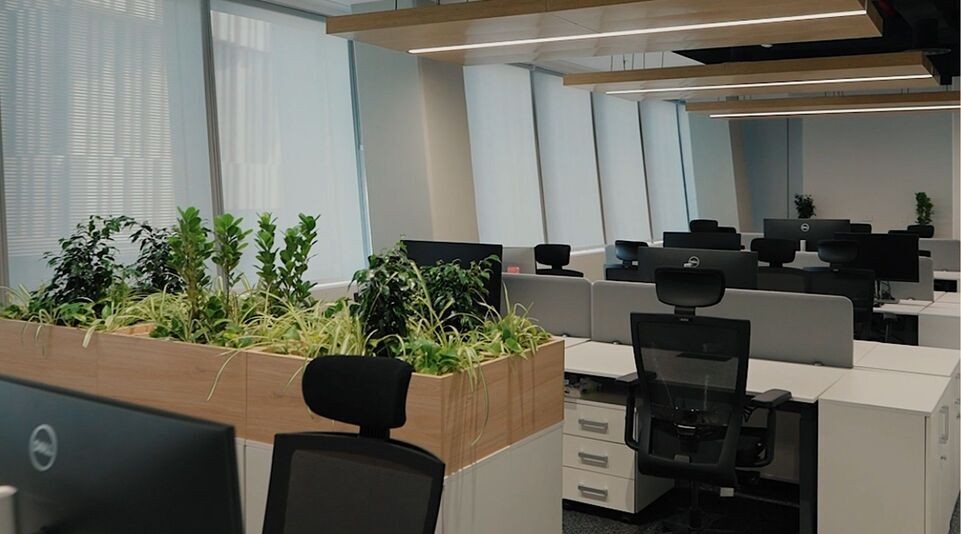
Designing effective open spaces is more than just aesthetics, it’s about purpose-driven environments that support workplace collaboration, creativity, and productivity.
By integrating flexibility, optimizing natural light in offices, creating strong collaboration spaces, managing acoustics, and supporting personalization, you’re setting your workspace up for long-term success.
Open space design fosters creativity, collaboration, and productivity by creating a flexible and inviting environment. It encourages teamwork, improves communication, and adapts to a business’s changing needs.
Natural light improves mood, boosts energy levels, and enhances overall well-being. It also reduces reliance on artificial lighting, lowering energy costs and creating a more inviting and productive atmosphere.
Personalization allows employees to feel a sense of ownership over their workspace, increasing engagement and job satisfaction. Personalized areas with photos, plants, or artwork, along with flexible workstations, create a comfortable and motivating environment.