
Fit-out works play a critical role in transforming commercial spaces into functional, compliant and operational environments. While often perceived as a finishing phase, fit-out is a complex, multi-disciplinary process that requires precise coordination, strong project management and clear accountability. Understanding this process is essential for project owners, developers and operators seeking predictable outcomes.
Design & Build has emerged as a smarter, more efficient approach; one that aligns with the Kingdom’s evolving construction landscape and long-term development goals.

In commercial construction, fit-out refers to the process of completing interior spaces so they are ready for occupation and use. This includes architectural finishes, mechanical and electrical systems, fixtures, furnishings and operational requirements.
A successful fit-out goes beyond aesthetics. It ensures that spaces meet functional needs, regulatory requirements and long-term operational goals, while aligning with the project’s design intent and budget.
Core & Shell typically involves delivering a building’s basic structure and primary services, leaving interior completion to a later stage. This approach provides flexibility for tenants but requires additional coordination once fit-out begins.
Full fit-out, on the other hand, delivers fully completed interior spaces, ready for immediate use. It integrates architectural finishes, MEP systems and operational elements within a single coordinated scope, reducing interfaces and execution risks.
A structured fit-out process begins with scope definition and design coordination, followed by detailed engineering, procurement and execution planning. Site works are then carried out through phased implementation, quality inspections and controlled handover.
Each stage requires clear communication, timely approvals and alignment between all stakeholders to ensure progress remains on schedule and within budget.
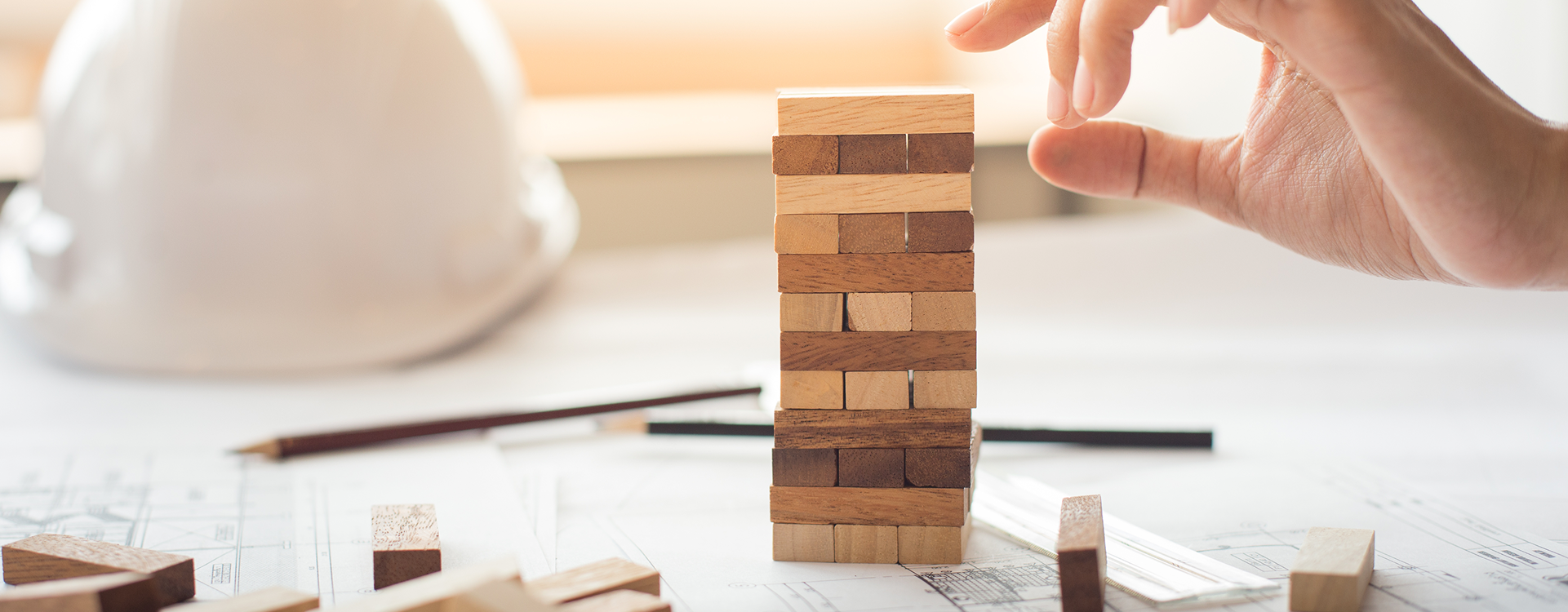
Fit-out projects involve close interaction between architectural design, mechanical, electrical and plumbing systems, and on-site execution. Misalignment between these disciplines is one of the most common causes of delays and rework.
Effective coordination ensures that design intent is achievable, systems are fully integrated and execution proceeds without disruption. This is best achieved through early collaboration and unified project management.
Quality control in fit-out projects is a continuous process, not a final checkpoint. It includes material approvals, mock-ups, inspections and testing throughout execution.
Compliance with international standards and local regulations is equally critical, particularly in commercial and hospitality environments. A disciplined quality management system ensures consistency, safety and long-term performance.
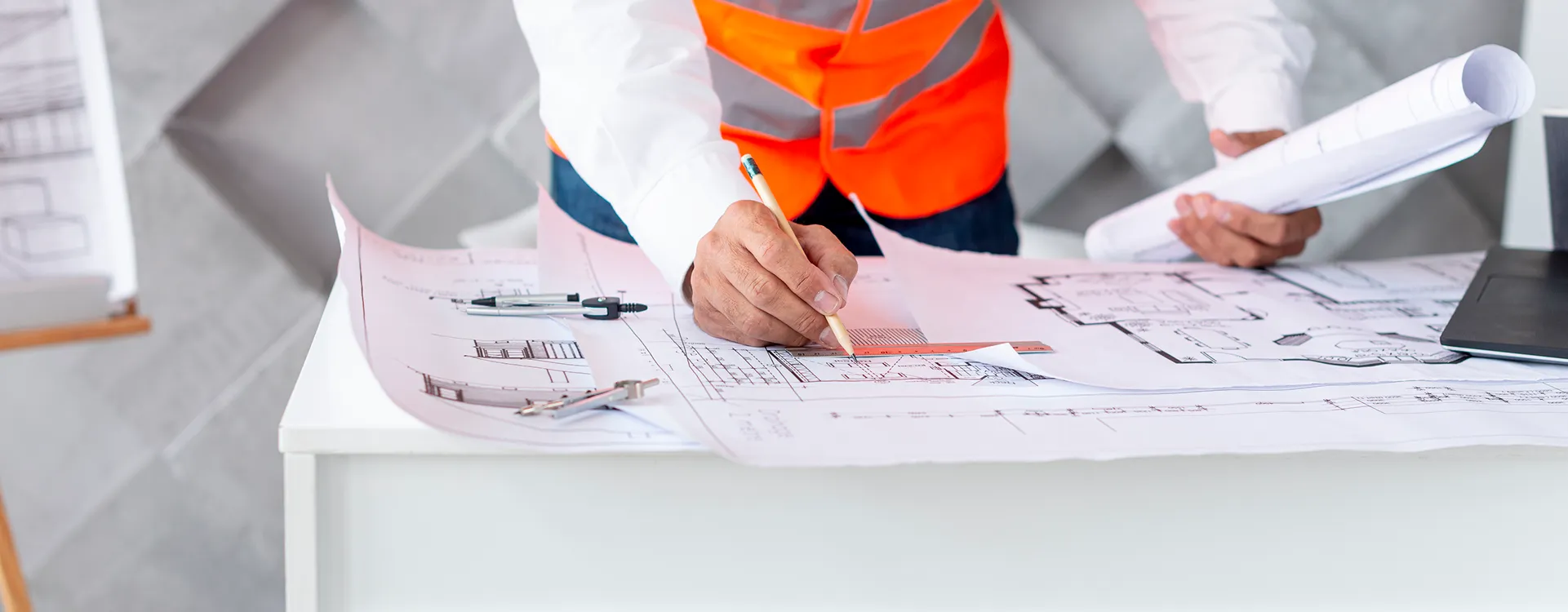
Common challenges include unclear scope definition, late design changes, insufficient coordination, and underestimating lead times. These issues often result in cost overruns and schedule delays.
Avoiding these risks requires early planning, realistic timelines, integrated teams, and experienced execution partners who understand both design intent and construction realities.
For commercial projects requiring structured and reliable fit-out execution, we are available to provide guidance and support.