
In interior projects, FF&E; Furniture, Fixtures and Equipment is often viewed as a final layer added after construction is complete. In reality, FF&E plays a critical role in how spaces function, perform and are experienced by users. When planned and coordinated correctly, FF&E becomes a strategic component that directly influences operational efficiency, brand perception and long-term project value.
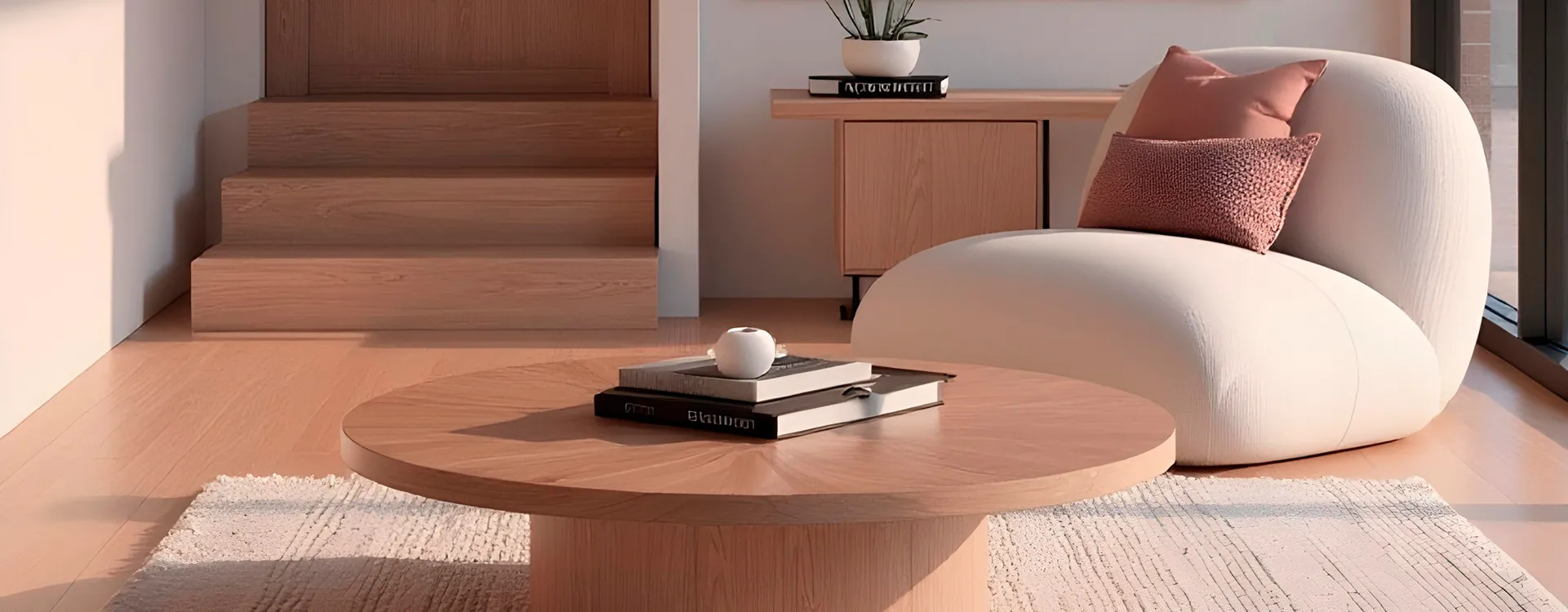
FF&E includes all movable and fixed elements that support the use of a space, such as furniture, lighting fixtures, equipment and accessories. These components are not decorative add-ons; they are integral to how a space operates on a daily basis.
Early consideration of FF&E ensures that design intent, functionality and operational requirements are aligned. When overlooked or treated as a late-stage decision, FF&E can introduce coordination challenges, delays and unexpected costs.
Well-planned FF&E directly impacts usability, comfort and efficiency. In commercial and hospitality environments, it shapes how users move through spaces, interact with their surroundings and perceive quality.
From ergonomic workstations to durable hospitality furnishings, FF&E decisions influence maintenance requirements, lifecycle costs and overall user satisfaction. Strategic selection balances aesthetics with performance and durability.
Commercial and hospitality projects place high demands on FF&E due to intensive use and operational expectations. Selection criteria must consider durability, safety standards, maintenance and alignment with brand identity.
Effective FF&E selection is driven by use-case analysis rather than appearance alone. This approach ensures that furnishings and equipment support daily operations while maintaining visual consistency across spaces.
Standard FF&E solutions offer speed and cost efficiency, particularly for large-scale or repeatable environments. Custom solutions, on the other hand, allow greater flexibility in meeting specific functional, spatial or branding requirements.
The optimal approach often combines both; standard elements where efficiency is required, and custom solutions where differentiation or precise fit is critical. Making this distinction early supports better planning and budget control.
FF&E must be fully coordinated with interior fit-out works, including architectural finishes and MEP systems. Poor coordination can lead to installation conflicts, redesign, or compromised performance.
Integrated planning ensures that FF&E dimensions, loads, power requirements, and installation timelines are aligned with the overall project program. This coordination is essential for smooth execution and timely handover.
Professional FF&E planning goes beyond procurement. It involves early specification, budget alignment, supplier coordination, and quality control.
When managed as part of an integrated delivery approach, FF&E contributes to improved operational efficiency, reduced risk and higher long-term value. It ensures that spaces are not only visually complete but fully functional from day one.
For projects requiring integrated FF&E planning aligned with interior fit-out execution, contact us to discuss your project requirements.