
Saudi Arabia is entering a new era of construction growth. Large-scale commercial developments, mixed-use destinations and government-led projects aligned with Vision 2030 are redefining how projects are designed, managed and delivered.
In this environment, choosing a construction company is no longer a routine procurement step. It is a strategic decision that affects regulatory compliance, capital protection, project timelines and long-term operational performance.
For developers, investors and government entities, the right contractor must operate as more than a builder, it must function as a structured execution partner.
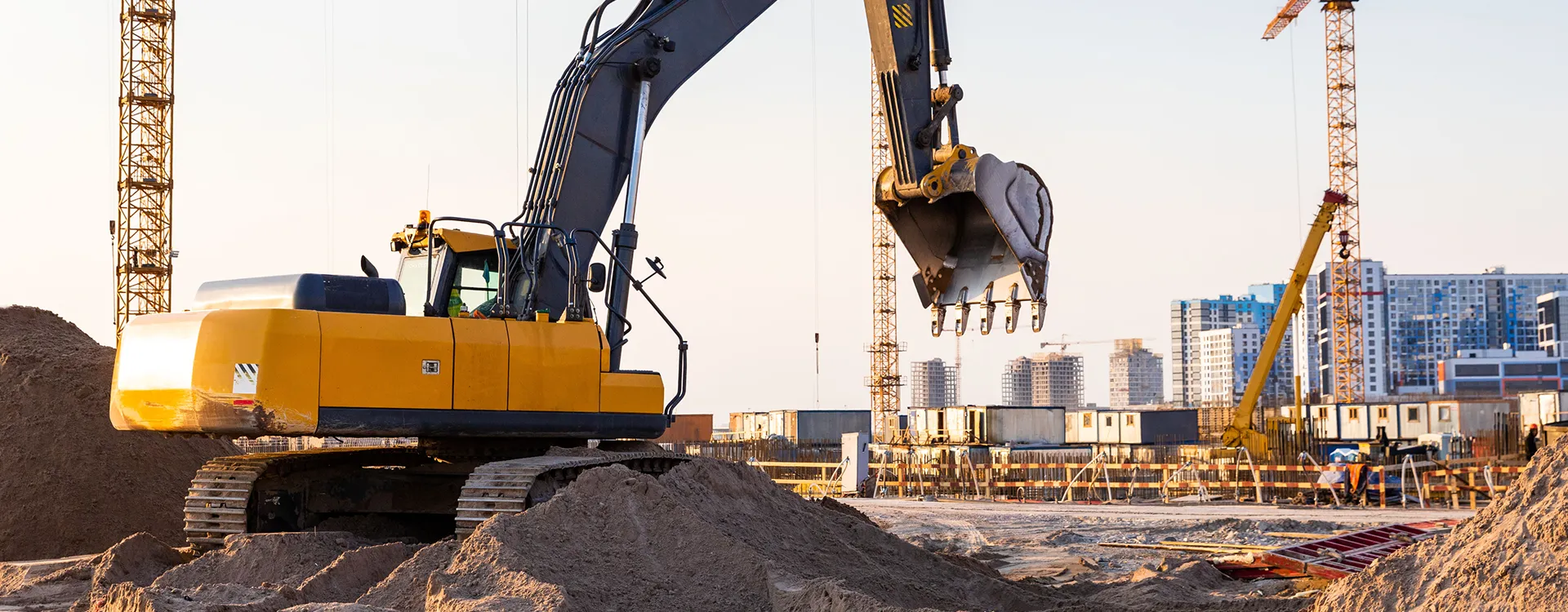
Scale changes everything.
A contractor that performs well on smaller commercial projects may not necessarily have the systems, governance structure or multidisciplinary coordination capacity required for large mixed-use or institutional developments.
Large-scale projects demand:
Experience in government and commercial environments across Saudi Arabia demonstrates not only execution capability but also understanding of regulatory structures and public-sector standards.
In Saudi Arabia’s 2030 Vision, driven developments and execution must align with national transformation goals, sustainability benchmarks and long-term economic impact.
One of the most common causes of delays in commercial construction is fragmentation between design, engineering and execution teams.
Modern project environments increasingly favor integrated models such as Design & Build and turnkey construction solutions. These structures improve accountability and allow faster decision-making because responsibility is centralized rather than distributed.
For mixed-use developments, where commercial, hospitality and institutional components intersect, integration becomes essential. Coordination gaps can affect performance across the entire asset.
An integrated contractor reduces those risks by aligning planning, cost control and execution under one strategic framework.
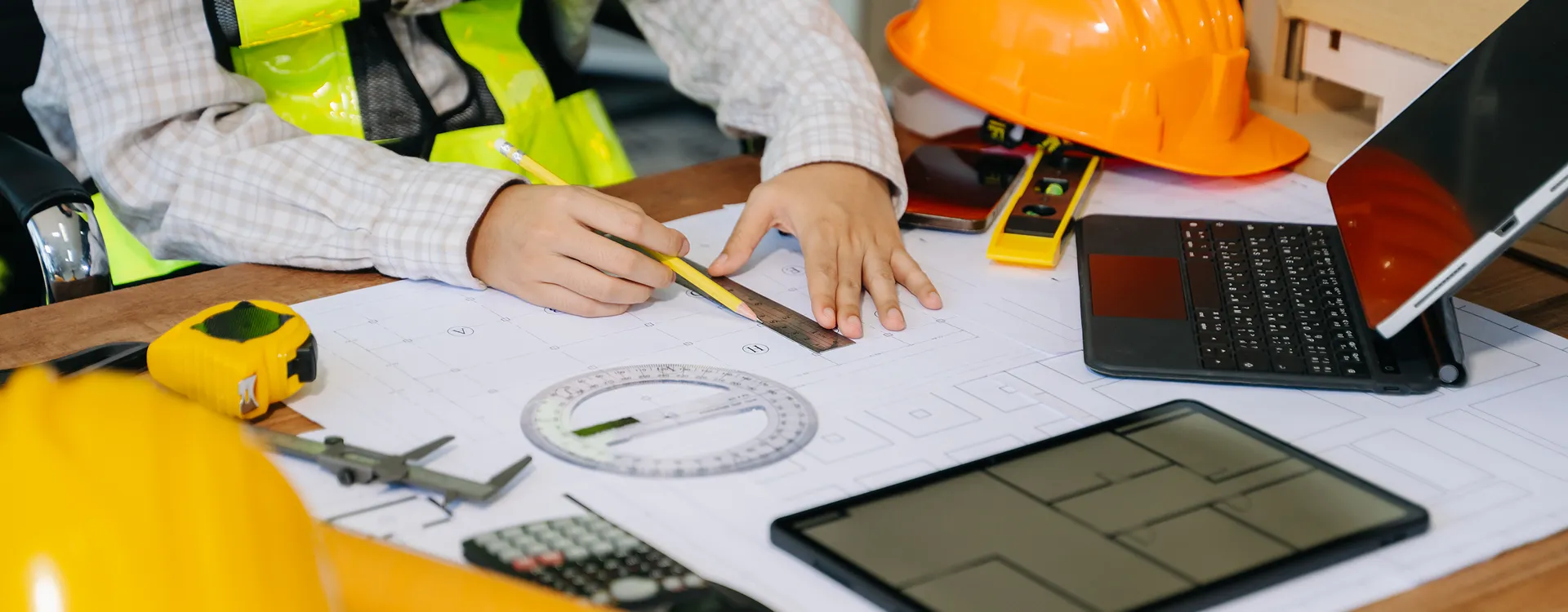
Construction in the region involves more than engineering expertise. It requires deep familiarity with:
Government and semi-government projects demand strict procedural accuracy. Delays are often caused not by technical failures, but by documentation gaps or regulatory misalignment.
A qualified construction company should demonstrate structured compliance processes and transparent reporting systems that minimize risk exposure.
Saudi Arabia’s development strategy has elevated expectations across the construction sector. Today’s large-scale commercial and government projects are expected to support:
Contractors operating in this landscape must understand how national transformation programs influence project requirements.
Vision 2030 alignment is not a marketing statement. It is reflected in procurement standards, execution models and quality benchmarks.
In high-value developments, governance is not optional, it is foundational.
Professional construction companies implement formal quality assurance and quality control systems supported by measurable benchmarks. These include milestone tracking, cost monitoring, safety frameworks and risk evaluation procedures.
Strong governance structures protect both private investors and public entities from long-term operational complications.
Without structured oversight, even technically sound projects can suffer financial inefficiencies or post-handover performance issues.
For commercial developers and government clients, financial strength is a critical evaluation factor.
Multi-phase developments require sustained resource allocation and supply chain reliability. A contractor must demonstrate transparent budgeting structures, stable procurement networks and responsible financial planning.
Price competitiveness alone does not indicate long-term project security. Financial resilience ensures continuity, especially in complex multi-year developments.
Construction in Saudi Arabia and the GCC is increasingly long-term in nature. Mixed-use developments often expand in phases. Government facilities evolve with operational demands. Commercial assets require future scalability.
The right contractor approaches projects with a partnership mindset, supporting stakeholders beyond initial handover and maintaining structured communication throughout project lifecycles.
Strategic contractor selection directly influences asset value, operational efficiency and regulatory compliance for years to come.
The scale and ambition of development in Saudi Arabia demand construction companies that operate with structure, discipline and strategic alignment.
Selecting a contractor today is about more than execution capacity. It is about governance, financial strength, alignment with national transformation objectives and the company’s capability and expertise.
In large-scale commercial and government projects, the right construction partner does not simply deliver buildings, it delivers structured, future-ready assets.
What makes a construction company qualified for government projects in Saudi Arabia?
Qualification requires regulatory expertise, documented compliance systems, financial transparency and experience managing institutional-scale developments.
Why is integrated delivery important for mixed-use developments?
Mixed-use environments involve multiple functional components. Integrated delivery reduces coordination gaps, protects timelines and centralizes accountability.
How does Saudi Arabia’s 2030 Vision impact construction standards?
Saudi Arabia’s 2030 Vision emphasizes sustainability, efficiency, technology integration and governance, raising expectations for contractors operating within the Kingdom.