
In modern construction, completing the structural frame of a building is only part of the equation. The true performance of any commercial or mixed-use development depends on the efficiency, integration and reliability of its Mechanical, Electrical and Plumbing (MEP) systems.
Across Saudi Arabia, commercial developments are becoming more sophisticated. Corporate headquarters, retail environments, hospitality spaces and mixed-use destinations require advanced infrastructure that supports comfort, safety, sustainability and operational continuity.
For developers and investors, professional MEP execution is not a secondary scope, it is a core performance driver.
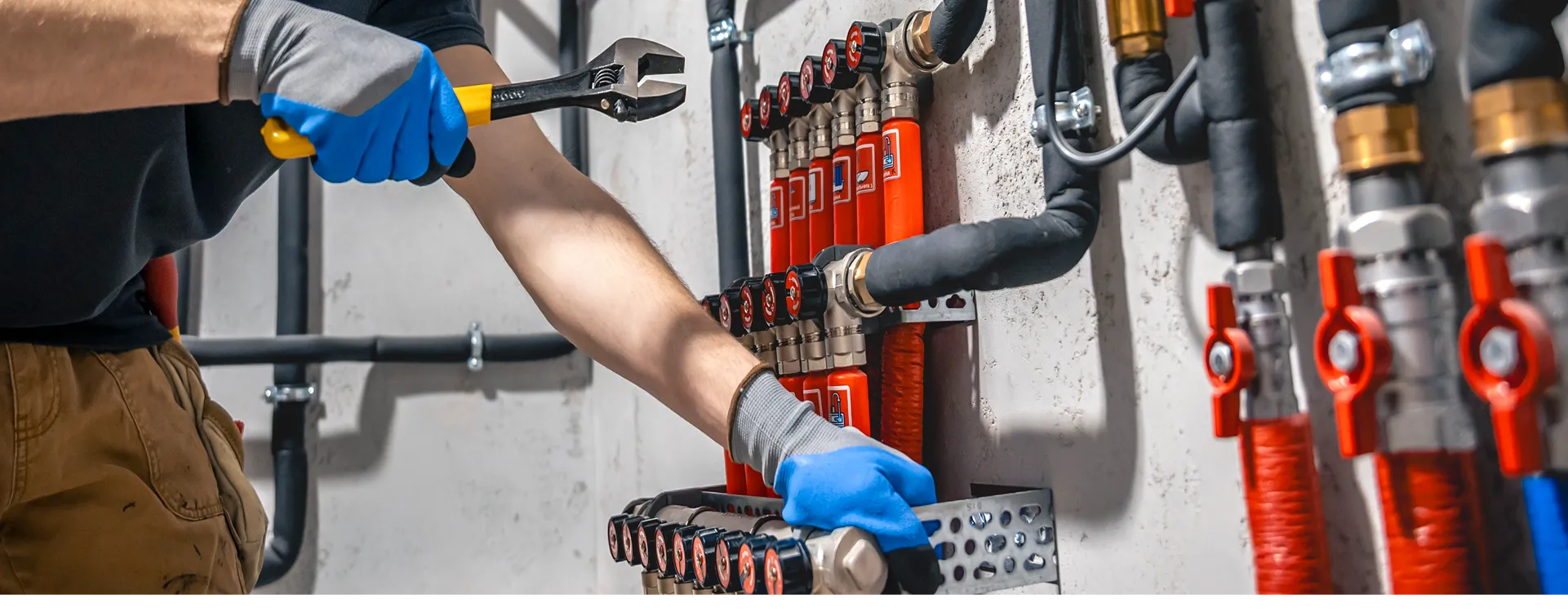
Mechanical, Electrical and Plumbing systems form the operational foundation of a building. They determine how the space functions long after construction is complete.
MEP services typically include:
Although these systems remain largely unseen, they directly impact user experience, operational costs and asset value.
In large commercial developments, poorly planned MEP coordination can lead to performance inefficiencies, high maintenance costs and limited future scalability.
Mixed-use projects combine multiple operational environments within a single development. Retail zones, office spaces, hospitality components and public areas each have different technical requirements.
Without integrated MEP planning, conflicts between structural, architectural and engineering systems can arise, often leading to rework, delays and increased costs.
Professional MEP coordination ensures:
Integration from early project stages allows the entire development to function as one cohesive ecosystem rather than separate components.

Climate conditions in Saudi Arabia place significant pressure on building systems, particularly HVAC infrastructure.
Energy consumption in commercial buildings is heavily influenced by mechanical system design. Efficient MEP engineering reduces operational expenses while supporting sustainability objectives increasingly prioritized by regional developers.
Modern MEP strategies focus on:
When properly designed and implemented, MEP systems contribute directly to long-term environmental and financial performance.
One of the most common challenges in commercial construction is late-stage MEP coordination.
When engineering systems are introduced after architectural decisions are finalized, spatial conflicts and redesign risks increase significantly.
Early MEP involvement allows for:
For large-scale commercial developments, early engineering collaboration protects both capital investment and execution efficiency.
MEP systems must comply with strict safety and performance standards across Saudi Arabia and the GCC. Civil defense requirements, energy regulations, and inspection protocols demand technical precision and structured documentation.
Professional MEP contractors implement:
This ensures that systems perform as intended upon handover and continue operating efficiently throughout the building’s lifecycle.
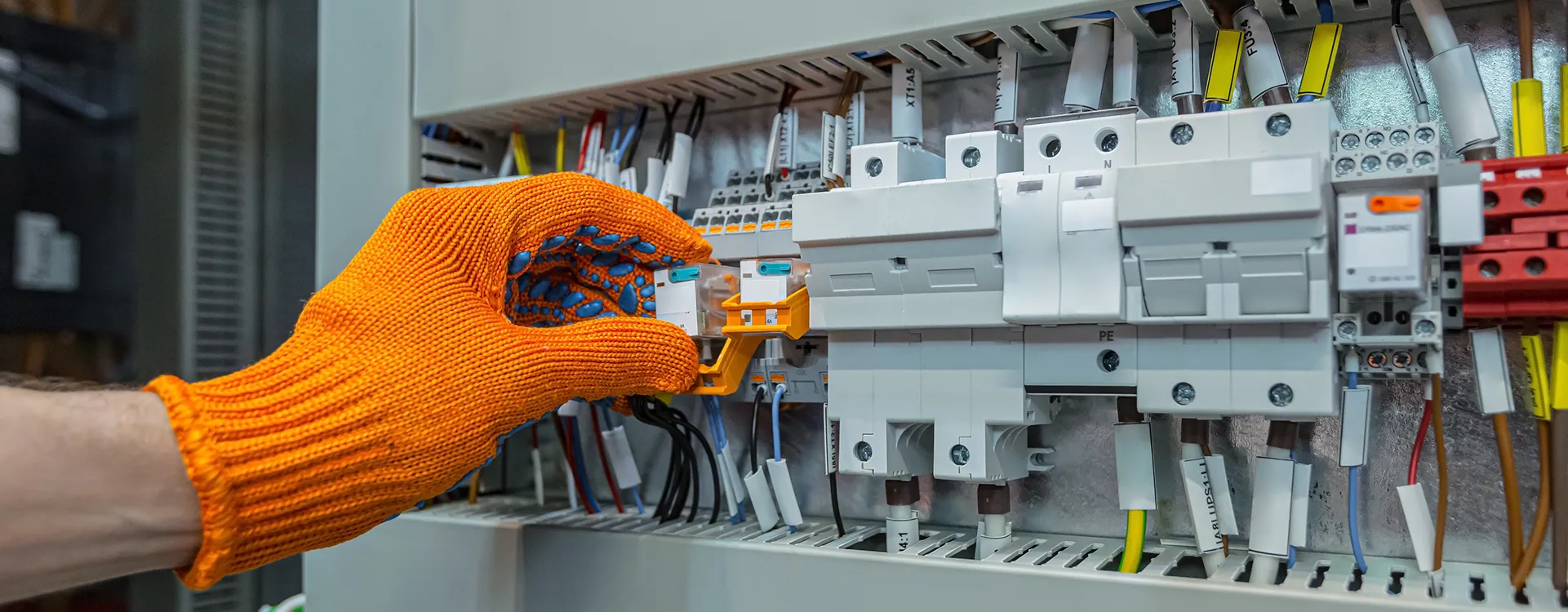
Beyond construction, MEP systems influence operational performance for decades.
Energy usage, maintenance frequency and system durability all depend on the quality of mechanical and electrical engineering.
For commercial property owners and developers, well-executed MEP infrastructure enhances:
MEP is not simply an installation phase, it is the engine that sustains building performance.
In Saudi Arabia, where commercial and mixed-use developments are growing in scale and complexity, Mechanical, Electrical and Plumbing services play a defining role in project success.
Integrated planning, climate-responsive design, regulatory compliance and performance-driven engineering are essential to delivering high-performing commercial assets.
In large-scale developments, MEP expertise transforms structural construction into fully operational, efficient environments built for long-term success.