
In Saudi Arabia’s rapidly evolving construction landscape, project success is no longer defined by design quality or execution alone. It is driven by how seamlessly both phases are integrated. This is where the Design and Build approach has become a preferred model across commercial, hospitality, and large-scale developments.
Design and Build is a unified project delivery method where a single entity is responsible for both design and construction. Instead of managing multiple contractors, developers benefit from a streamlined structure that improves coordination, reduces risks, and accelerates timelines.
As the Kingdom continues to advance under Saudi Vision 2030, this approach is increasingly essential for delivering projects that meet international standards, sustainability goals, and operational efficiency requirements.
Design and Build is a project delivery method that combines architectural design, engineering, and construction under one contract. This integrated approach allows for better alignment between concept and execution, ensuring that design decisions are practical, cost-efficient, and buildable from the outset.
Unlike traditional methods where design and construction are handled separately, Design and Build creates a single point of responsibility. This reduces miscommunication, minimizes delays, and enhances overall project control.
For developers and investors, this translates into:
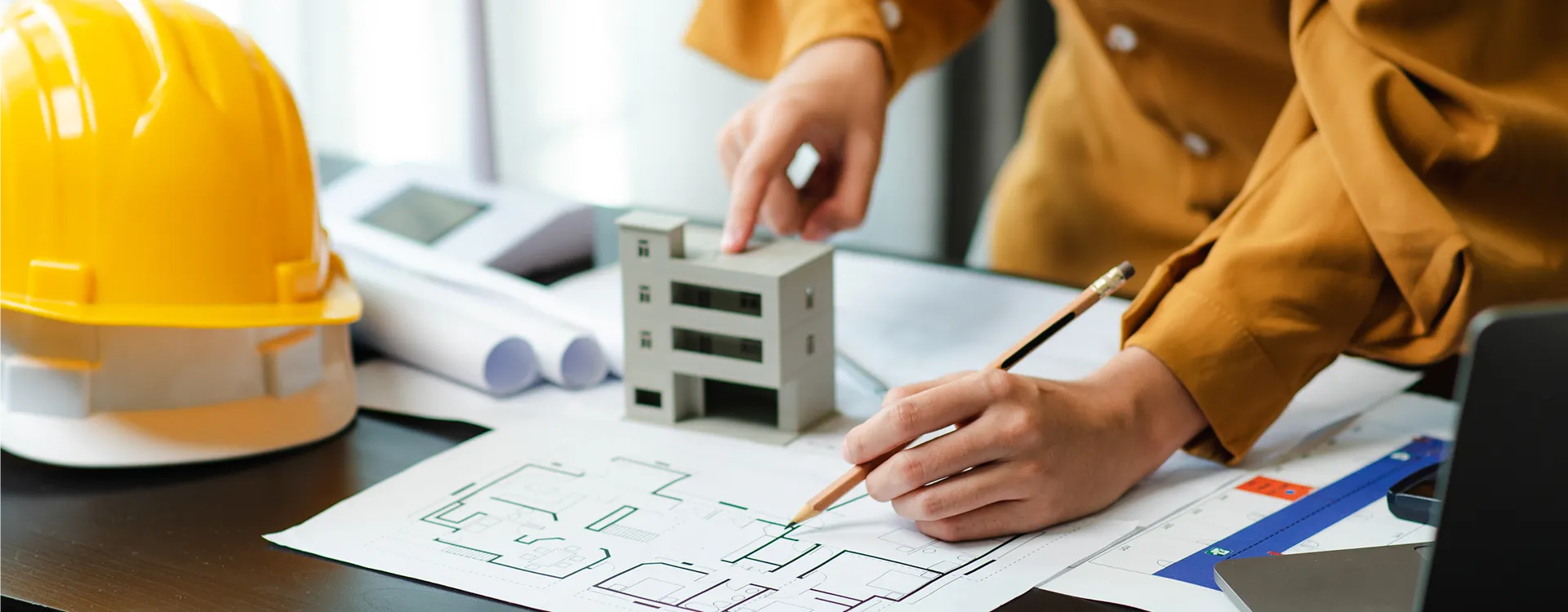
A structured and well-managed process is essential to fully realize the benefits of Design and Build. RAM International follows a comprehensive approach that ensures every phase is aligned with project goals, technical requirements, and client expectations.
The process begins with a detailed consultation to understand the client’s vision, functional requirements, and project objectives. This phase is critical for defining scope, aligning expectations, and identifying key constraints early on.
Based on the initial input, tailored design concepts are developed. These may include modern, classic, industrial, or sustainable design approaches depending on the project type. The focus is on creating solutions that are both innovative and practical, ensuring alignment with operational needs.
Material selection is handled with a strong emphasis on quality, durability, and performance. Each material is carefully evaluated to ensure it meets design intent while supporting long-term sustainability and maintenance efficiency.
At this stage, the design is analyzed to optimize cost without compromising quality or functionality. Value engineering ensures that resources are used efficiently while maintaining the integrity and performance of the project.
A centralized project management structure ensures that all phases are executed smoothly. This includes scheduling, coordination between teams, quality control, and cost monitoring to maintain efficiency and transparency throughout the project lifecycle.
The construction phase is executed according to approved designs, with strict adherence to quality standards, timelines, and technical specifications. Integration between design and construction teams ensures precision and consistency on-site.
The project is delivered as a fully functional, high-quality space ready for immediate use. Every detail is finalized to meet both aesthetic expectations and operational requirements.
The growing complexity of projects across the Kingdom has increased the demand for integrated delivery models. Design and Build provides a strategic advantage by aligning all stakeholders under a single framework.
This approach enhances collaboration between designers, engineers, and contractors, ensuring that decisions are made with full visibility of their impact on cost, time, and performance.
In large-scale developments, particularly those aligned with Vision 2030, this level of integration is essential to achieve sustainability targets, meet regulatory requirements, and deliver projects efficiently.
The advantages of Design and Build extend beyond simplified project management. It directly contributes to better outcomes across all phases of development.
Beyond initial delivery, Design and Build contributes to long-term asset performance. By aligning design decisions with construction realities, projects are better optimized for durability, maintenance, and operational efficiency.
This is particularly important in sectors such as commercial real estate, hospitality, and mixed-use developments, where long-term value is directly tied to performance, sustainability, and user experience.
What is the difference between Design and Build and traditional construction?
Design and Build combines design and construction under one contract, while traditional methods separate them. This integration improves efficiency, reduces delays, and enhances coordination.
Is Design and Build more cost-effective?
Yes, it allows for early cost optimization through value engineering and continuous budget control, reducing unexpected expenses during construction.
Is Design and Build suitable for large-scale projects?
It is particularly effective for large and complex projects where coordination between multiple disciplines is critical.
How does Design and Build support sustainability?
By integrating design and construction, sustainable materials and energy-efficient solutions can be implemented more effectively from the early stages.
Design and Build is no longer just an alternative delivery method, it has become a strategic approach for achieving efficiency, quality, and long-term value in construction projects across Saudi Arabia.
With a structured process, technical expertise, and a strong focus on integration, RAM International delivers Design and Build solutions that align with modern project demands and international standards.
Looking to deliver your next project with efficiency and precision?
Partner with RAM International for a fully integrated Design and Build solution tailored to your project requirements.